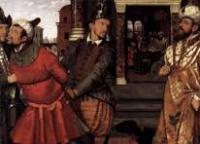
Jesus preached very often about the need to forgive, pointing to the example of his heavenly Father. He himself showed extraordinary forgiveness on the cross when he forgave those who had treated him so brutally, and when he promised Paradise to the repentant thief. Peter probably thought he was being very generous forgiving his brother seven times. Christ’s response of “seventy times seven”, which in effect means forever, must have startled him.
in his book Turning Wounds into Wisdom, Bishop Martin Drennan talked about “stroking our grievances until they purr!” It is very easy to wallow in our hurts, but as long as we do this we cannot move on with our lives. It is hard to understand the mentality of the steward, whose master had forgiven him a debt of what in today’s money would be millions - even billions - of Euros. How had he run up such a debt? Jesus is probably using this figure as an illustration of God forgiving even very grave offences committed against him, which in human terms could never be atoned for.
Abraham Lincoln had a very creative way of dealing with personal affronts. “Do I not destroy my enemies when I make them my friends?” Edwin Stanton, an American lawyer and politician, had made very offensive remarks about Lincoln, calling him a “backwards lawyer” and an “original gorilla.” The president appointed him as Secretary of War, saying that he was the best man for the job; which indeed he proved to be. When the great president was assassinated, Stanton declared: “Now he belongs to the ages.”